Address fouling as part of the measurement.
Understand what reaches the sensor
Deposits can change the response of a chlorine sensor and lead to extra cleaning or adjustment. Start with the water composition, treatment stage, iron and manganese concentrations and the history of the existing instrument.
Review the self-cleaning approach
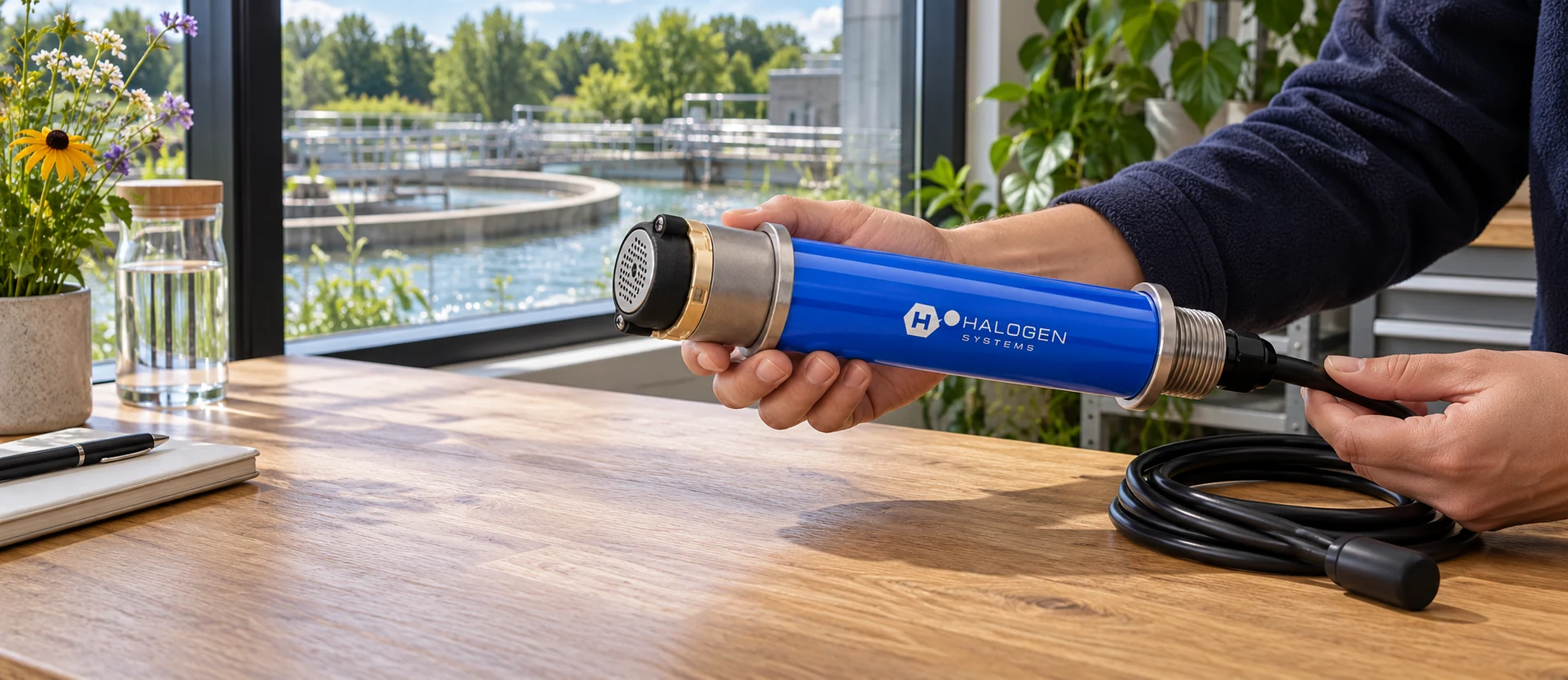
Halogen combines mechanical cleaning with electrochemical surface renewal. This can help manage the sensing surface, but site performance should be assessed against reference measurements and observed maintenance.
Separate monitoring from control claims
A monitor that reveals a dosing discrepancy does not by itself prove chemical savings. Any change to a control loop needs site engineering, commissioning and evidence from the actual operating period.
Prepare a useful evaluation
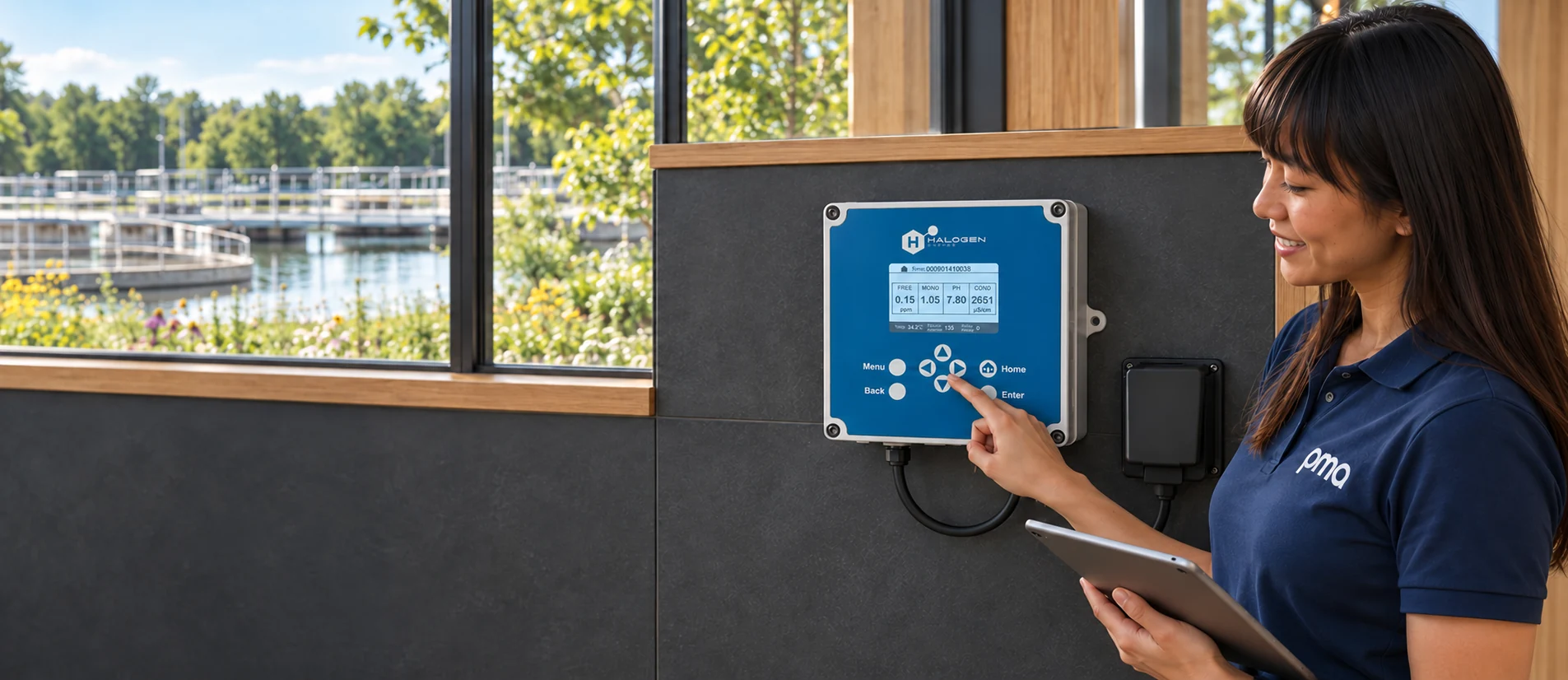
Share the current analyser, its cleaning frequency, water chemistry, reference method and proposed sample point. PMA can help identify the sensor and installation information needed for an evaluation.
Evaluate maintenance alongside the readings
Use the same representative water point and an appropriate reference method when reviewing an alternative chlorine monitor. Keep a record of cleaning visits, adjustments, wear parts and changes in water chemistry. That distinguishes a reduction in fouling-related work from a change in the treatment process.